

This blog highlights the benefits of hiring a GST consultant for businesses to manage complex GST regulations efficiently. A GST compliance consultant ensures accurate filings, reduces penalties, and provides expert GST & indirect tax advisory. With support from tax and compliance experts and business compliance consultants, companies can improve tax planning, claim Input Tax Credit, and maintain proper documentation. Leveraging corporate compliance solutions and regulatory compliance consulting, businesses can enhance financial governance and reduce risks. Whether startups or established firms, working with a professional GST consultant ensures compliance, saves time, and supports long-term growth in India’s evolving tax environment.
Blogs
Thoughts that inform, inspire, and impact.
MSME Registration Guide 2026: Benefits, Eligibility, Documents, Registration Process & Compliance
September 01, 2026
By Pavan Joshi
Explore our MSME Registration Guide 2026 covering eligibility, benefits, documents, registration process, Udyam Certificate, and post-registration compliance for businesses in India.

Tax Saving Strategies for Businesses in India: A Complete Guide to Smart Tax Planning
August 25, 2026
By Pavan Joshi
Learn effective tax saving strategies for businesses in India, including tax planning, eligible deductions, GST and TDS compliance, advance tax, and practical ways to reduce tax liability legally.

Get a complete guide to business licenses and registrations in India, covering GST, LLP, MSME, Startup India, IEC, trademark, tax compliance, and essential legal requirements for businesses.
Looking for a trusted Chartered Accountant in Pune? Explore GST, income tax, corporate compliance, accounting, payroll, TDS, NRI taxation, and business advisory services to keep your business compliant and support sustainable growth.

Learn everything about the Tax Residency Certificate (TRC) for NRIs and businesses, including eligibility, benefits, DTAA provisions, required documents, Form 10FA and 10FB, application process, and international tax compliance. Discover how TRC can help establish tax residency and support eligible treaty benefits.

GST Return Filing Due Dates 2026: Complete Guide for Businesses in India
August 10, 2026
By Pavan Joshi
Learn everything about GST Return Filing, GSTR-1, GSTR-3B, and GST compliance in one place. Stay compliant and file your GST returns accurately with expert guidance.

Business Compliance Checklist for Indian Companies: A Complete Guide to Staying Compliant
August 06, 2026
By Pavan Joshi
Stay compliant and avoid costly penalties with this complete Business Compliance Checklist for Indian Companies. Learn about GST Compliance, Income Tax, ROC Filing, TDS, Payroll, Labour Law, Professional Tax, and other essential statutory requirements for startups, MSMEs, LLPs, and Private Limited Companies. Discover best practices to streamline compliance and keep your business legally compliant throughout the year with expert guidance from Compliance Craft Advisors.
Tax Residency Certificate (TRC): Meaning, Benefits & Application Process
August 04, 2026
By Pavan Joshi
_Registration.png)
Planning to start importing or exporting from India? Learn everything about Import Export Code (IEC) Registration, including eligibility, benefits, required documents, the online registration process, and post-registration compliance. Discover how Compliance Craft Advisors, a Top CA in Pune, can help your business with IEC registration, DGFT compliance, GST, and international trade advisory for seamless global expansion.
Income Tax Return Filing for Businesses: A Complete Guide for Business Owners in India
July 29, 2026
By Pavan Joshi
Learn everything about Income Tax Return Filing for Businesses in India, including eligibility, required documents, due dates, Advance Tax, tax audits, common filing mistakes, and compliance requirements. This comprehensive guide from Compliance Craft Advisors helps startups, LLPs, partnership firms, proprietorships, and companies file accurate Income Tax Returns, avoid penalties, and stay compliant with Indian tax laws while ensuring smooth business growth.
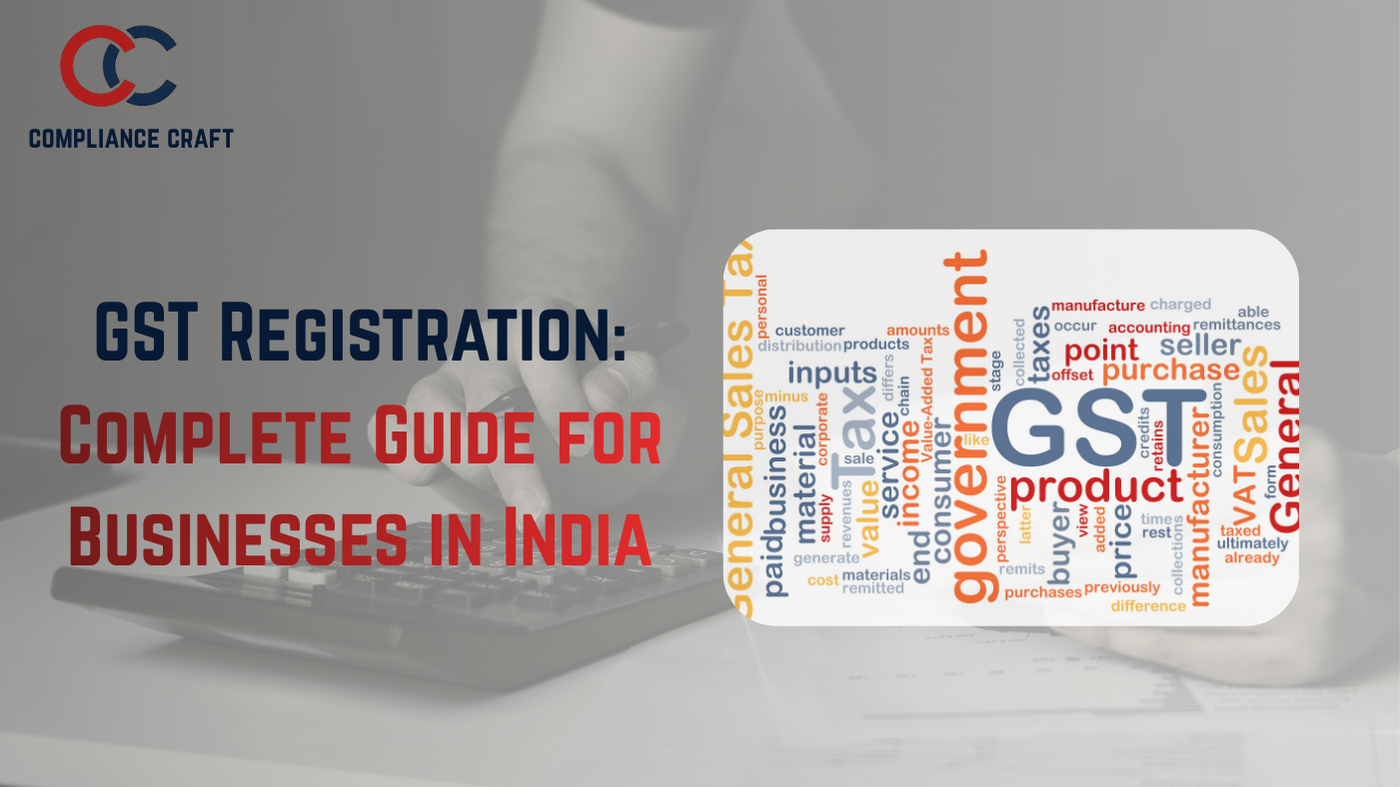
GST Registration is an essential step for businesses operating in India. This complete guide explains the GST registration process, eligibility, required documents, GSTIN registration, fees, and post-registration compliance to help startups, MSMEs, freelancers, and companies stay compliant, claim Input Tax Credit (ITC), and grow their business with confidence.
Learn about the Lower TDS Certificate for NRIs, eligibility, application process, required documents, and benefits. Expert guidance from Compliance Craft Advisors.
Learn how DTAA helps NRIs avoid double taxation in India with this comprehensive guide. Understand DTAA benefits, eligibility, Tax Residency Certificate (TRC), Form 10F, tax planning, and required documentation. Discover how proper NRI tax compliance can help reduce tax liabilities and ensure seamless cross-border taxation.
GST Consultants in Pune – GST Tax Consultancy Services for Registration and Filing
July 03, 2026
By Pavan Joshi
GST compliance is essential for businesses to avoid penalties, maintain proper tax records, and ensure smooth operations. Compliance Craft Advisors offers comprehensive GST consultancy services in Pune, including GST registration, return filing, advisory, audit support, notice handling, and compliance management. As experienced Business Compliance Consultants, the firm helps businesses stay compliant with GST regulations through accurate filing, ITC management, and expert guidance. Whether you're a startup, SME, or established business, Compliance Craft Advisors provides reliable, end-to-end GST solutions tailored to your business needs.
Stay compliant with Professional Tax regulations in India using this comprehensive compliance checklist. Learn about Professional Tax registration, PTEC & PTRC, return filing, due dates, documentation, penalties, and best practices to help businesses avoid notices, maintain statutory compliance, and streamline payroll and tax management.
Planning to sell property in India as an NRI? Learn how a Lower TDS Certificate under Section 197 can help reduce excess TDS, improve cash flow, and simplify property transactions. This complete guide covers eligibility, the application process, required documents, benefits, and key tax planning tips for NRIs.

Stay compliant with India's evolving business regulations in 2026 with this complete business compliance checklist. Learn about GST, Income Tax, ROC filings, TDS, Professional Tax, labor law compliance, and key statutory requirements to help your business avoid penalties, ensure legal compliance, and achieve long-term growth.

Looking for the best Tax Consultant in Pune? Compliance Craft Advisors provides expert GST registration, GST return filing, Income Tax services, Regulatory Compliance Consulting, and Business Compliance solutions for startups, businesses, and professionals. Learn how our Compliance Advisory Services can simplify taxation, ensure compliance, and support your business growth.
Received an Income Tax Notice? Learn why you may have received it, the common types of notices, the documents required, and the steps to respond correctly. Discover how expert GST Consultants and GST & Indirect Tax Advisory services from Compliance Craft Advisors can help you handle Income Tax notices, scrutiny assessments, and tax compliance with confidence.
Receiving an Income Tax Scrutiny Notice can be stressful, but it does not necessarily indicate tax evasion or wrongdoing. The Income Tax Department may issue scrutiny notices to verify income, deductions, exemptions, financial transactions, or other information reported in your Income Tax Return (ITR). Understanding the reasons for scrutiny, the assessment process, and the correct response can help taxpayers avoid penalties and ensure compliance. This guide explains the common triggers for Income Tax Scrutiny, the Section 143(2) notice process, required documentation, and practical steps to respond effectively while maintaining proper Income Tax Compliance and reducing scrutiny-related risks.
.png)
What is a Tax Residency Certificate (TRC) and Why is it Important for DTAA?
June 12, 2026
By Pavan Joshi
Understand the importance of a Tax Residency Certificate (TRC) for DTAA claims, reduced tax rates, and avoiding double taxation on international income.
Professional Tax Compliance Checklist for Businesses in India – Avoid Penalties & Stay Compliant
June 10, 2026
By Pavan Joshi
Professional Tax Compliance is a critical aspect of business compliance in India. Businesses must ensure timely registration, tax payments, return filing, and proper record maintenance to avoid penalties and regulatory issues. This comprehensive checklist helps organizations stay compliant, reduce risks, and streamline their tax compliance processes. Learn the key requirements, best practices, and compliance strategies for effective Professional Tax management.

Learn how to reduce income tax legally in India with smart tax planning strategies. Explore Section 80C deductions, ELSS funds, PPF, NPS, HRA exemptions, home loan tax benefits, health insurance deductions, and tax-saving opportunities for salaried employees, professionals, and business owners. Discover practical tips to maximize savings, stay compliant with tax regulations, and make informed financial decisions with expert guidance from Compliance Craft Advisors Pvt. Ltd.

Learn everything about DTAA (Double Taxation Avoidance Agreement) and foreign income taxation in India. Understand how NRIs, professionals, freelancers, and businesses can avoid double taxation, claim foreign tax credits, reduce TDS, and ensure compliance with international tax regulations. Discover key DTAA benefits, required documents, Tax Residency Certificates (TRC), and expert tax planning strategies for managing global income efficiently.

Income tax planning for FY 2026–27 helps individuals, freelancers, and businesses reduce tax liability legally while improving savings and financial stability. This guide covers old vs new tax regimes, deductions like 80C, 80D, NPS, and smart strategies to optimize taxes efficiently.

Learn how to apply for a Lower Deduction Certificate (Nil or Low TDS) under Section 197 through the TRACES portal. This comprehensive guide covers eligibility criteria, Form 13 filing process, required documents, and key factors considered by the Income Tax Department. Understand how businesses, professionals, and freelancers can reduce excess TDS deductions, improve cash flow, and minimize dependency on tax refunds. Whether you are facing high TDS deductions or planning better tax management, this guide helps you navigate the entire lower TDS application process smoothly and efficiently.

Learn how to reduce income tax legally in India with effective tax planning strategies, smart investment options, and available deductions under the Income Tax Act. This comprehensive guide covers key sections like 80C, 80D, HRA, NPS, home loan benefits, and more to help individuals, professionals, and businesses optimize their tax liability while staying fully compliant with tax laws.

Understand the GST refund process in India, including eligibility, required documents, and filing steps. Learn how to avoid common mistakes, reduce delays, and ensure faster refund approvals. A must-read for businesses looking to improve cash flow and stay GST compliant.

A Lower TDS Application helps taxpayers reduce or eliminate excess Tax Deducted at Source (TDS) when their actual tax liability is lower than standard deduction rates. This comprehensive guide explains everything about Lower/Nil TDS certificates in India, including eligibility, Form 13, online application process, required documents, validity, and practical tips for faster approval. Learn how professionals, freelancers, contractors, and businesses can improve cash flow management, avoid unnecessary refund delays, and ensure accurate tax deductions with the support of experienced tax and compliance experts, corporate tax advisory services, and trusted Income Tax Consultants in Pune.
Professional Tax is a mandatory state-level tax applicable to salaried employees, professionals, and businesses in India. This blog explains professional tax rates, due dates, registration, penalties, and compliance requirements. Learn how businesses can manage PT filings efficiently with expert support from the Best CA in Pune and professional business legal compliance services.

Double Taxation Avoidance Agreement (DTAA): How NRIs Can Claim Benefits in India
May 02, 2026
By Pavan Joshi
The Double Taxation Avoidance Agreement (DTAA) helps Non-Resident Indians (NRIs) avoid paying tax twice on the same income in India and their country of residence. This blog explains how DTAA works, the benefits available to NRIs, required documents like Tax Residency Certificate (TRC) and Form 10F, and the process for claiming DTAA relief in India. It also covers foreign income taxation, exemption methods, tax credit methods, and the role of professional tax compliance consultation. Whether you are dealing with NRI taxation, foreign income, or tax planning, understanding DTAA is essential for reducing tax liability and ensuring proper compliance.
What Are NRI Advisory Services and How Can Chartered Accountants Assist?
April 16, 2026
By Pavan Joshi
NRI advisory services help Non-Resident Indians manage taxation, investments, and compliance in India efficiently. A Chartered Accountant provides expert support in tax planning, return filing, FEMA compliance, and investment structuring. With professional advisory and legal compliance services, NRIs can avoid penalties, optimize tax liabilities, and ensure smooth financial management while staying fully compliant with Indian regulations.

Goods and Services Tax (GST): What is GST in India? Indirect Tax Law Explained
April 13, 2026
By Pavan Joshi
Goods and Services Tax (GST) is a comprehensive indirect tax system that has transformed the way taxation and compliance work in India. This detailed guide explains GST in a simple and practical manner, covering key concepts such as Input Tax Credit (ITC), tax structure, compliance requirements, and return filing. Whether you are a business owner, accountant, or student, understanding GST is essential for managing finances efficiently, avoiding penalties, and ensuring proper compliance. This blog helps you simplify complex tax concepts and stay updated with India’s evolving taxation system.
GST audit remains an important part of business compliance in India, even after the removal of mandatory audit requirements. This guide explains the meaning of GST audit, current rules, turnover limits, and audit process in a simple and practical way. It also highlights when businesses should hire a GST consultant to avoid notices, penalties, and compliance risks. Whether you are a small business, MSME, or growing enterprise, understanding GST audit can help you maintain accurate records, manage Input Tax Credit (ITC), and ensure smooth operations. Learn how expert compliance support can keep your business audit-ready and stress-free throughout the year.
.png)
GST Compliance Checklist for Small Businesses – Tips from a GST Consultant
April 07, 2026
By Pavan Joshi
GST compliance for small businesses in India requires consistency, accuracy, and proper financial discipline—not just return filing. This blog outlines a practical GST compliance checklist covering invoicing, return filing (GSTR-1, GSTR-3B, GSTR-9), ITC reconciliation, and documentation. It highlights common errors like mismatched data and late filings that lead to penalties. With expert guidance from a GST Consultant in Pune, businesses can streamline processes, avoid notices, and ensure timely compliance. Using structured compliance advisory services and regulatory compliance consulting helps maintain smooth operations. A proactive approach with support from tax and compliance experts ensures stress-free GST management and business growth.
A GST consultant helps businesses save tax legally by ensuring proper use of Input Tax Credit (ITC), accurate classification, and timely compliance. With expert GST advisory services, businesses can reduce excess tax payments, avoid penalties, and improve cash flow. Professional support through corporate compliance solutions, business legal compliance services, and guidance from corporate compliance specialists ensures smooth GST operations. From vendor compliance to return filing and transaction structuring, consultants optimize tax efficiency. By leveraging insights from corporate law and compliance articles, businesses can minimize liabilities, maintain compliance, and build a strong financial system while staying aligned with GST regulations.
.png)
This blog explains the most common GST filing mistakes businesses make and how to avoid them for better GST compliance. Key issues include incorrect data entry, failure in GST reconciliation, late return filing, and wrong Input Tax Credit (ITC) claims. It also highlights mismatches between GSTR-1 and GSTR-3B, improper classification, and poor documentation. Ignoring GST notices and incorrect amendments can further increase risks. The blog emphasizes the importance of GST filing services, professional guidance, and timely compliance. Partnering with a tax and regulatory advisory firm helps businesses reduce errors, avoid penalties, and ensure smooth GST return filing in India.

GST Registration Process in India: A Complete Guide by a GST Consultant
March 23, 2026
By Pavan Joshi
Top 10 Benefits of Hiring a Professional GST Consultant for Your Business
March 20, 2026
By Pavan Joshi



Advance tax is an important part of India’s tax system that requires taxpayers to pay income tax in instalments during the financial year. Individuals, freelancers, and businesses whose tax liability exceeds ₹10,000 must follow the advance tax payment deadlines in India to avoid interest under Sections 234B and 234C. Proper advance tax planning helps improve cash flow, ensure smooth tax compliance, and prevent penalties. Businesses and professionals often consult the Best CA in Pune for expert corporate tax advisory services, compliance management, and tax planning. Working with experienced tax and compliance experts ensures accurate advance tax calculation, timely payments, and strong regulatory compliance.

Year end tax planning for businesses is essential to reduce tax liability, improve cash flow, and ensure regulatory compliance. Companies that delay planning often overpay taxes or miss eligible deductions. By working with experienced tax and compliance experts, businesses can apply effective corporate tax planning strategies, optimize depreciation, reconcile GST records, and review advance tax payments. Structured compliance management services help prevent notices, penalties, and documentation errors before financial year closure. Businesses searching for the Best CA in Pune rely on professional tax planning services to strengthen year end tax compliance, maximize business tax deductions, and maintain long-term corporate compliance and financial stability.

Why Pune Businesses Prefer Local Tax Consultants Over National Firms
February 19, 2026
By Pavan Joshi

Searching for an income tax consultant near me in Pune often happens during filing deadlines or after receiving tax notices, but proactive taxpayers choose year-round advisory support. Businesses and individuals looking for the Best CA in Pune need more than basic ITR filing — they require structured income tax advisory services, compliance monitoring, and strategic tax planning. Compliance Craft Advisors Private Limited provides expert ITR filing, notice handling, tax optimization, GST advisory, and integrated compliance solutions. As experienced tax and compliance experts, the firm helps reduce penalties, improve documentation, and ensure legal tax efficiency, offering long-term financial security and stress-free income tax compliance in Pune.

Best Tax Consultant in Pune – Compliance Craft Advisors Private Limited
February 13, 2026
By Pavan Joshi
.png)

Outsourcing accounting and compliance helps businesses reduce costs, improve accuracy, and stay compliant in an increasingly complex regulatory environment. By delegating accounting, taxation, GST, TDS, and statutory compliances to experts, businesses gain access to qualified professionals, timely filings, and reduced compliance risk. Accounting and compliance outsourcing allows startups, SMEs, and growing companies to focus on core business activities while maintaining audit-ready records and financial clarity. It offers scalability, flexibility, and expert advisory support without the burden of in-house teams. Partnering with a Top CA in Pune ensures reliable compliance management, better financial control, and confident business growth.

Startup Compliance Checklist 2026: Legal and Tax Obligations in India
January 29, 2026
By Pavan Joshi
The Startup Compliance Checklist 2026 is a practical guide to help Indian startups meet their legal, tax, and regulatory obligations with confidence. From business incorporation and ROC filings to GST, income tax, TDS, and labour law compliances, this guide covers all essential requirements startups must follow in 2026. It also explains entity-wise compliance differences, penalties for non-compliance, and best practices for efficient compliance management. Backed by expert insights from a Top CA in Pune, this checklist helps founders stay compliant, reduce risks, and focus on scaling their business sustainably.

MSME registration, now called Udyam Registration, is an essential compliance step for small and medium businesses in India. It helps enterprises gain official recognition and access government benefits such as collateral-free loans, subsidies, and priority lending. The Udyam registration process is fully online, paperless, and quick, requiring minimal documents like Aadhaar and PAN. Although not mandatory, MSME registration is highly recommended for long-term business growth and legal protection. With evolving regulatory requirements, professional guidance ensures accurate registration and ongoing compliance. Consulting a Top CA in Pune helps businesses complete Udyam registration correctly while staying fully compliant with government regulations.
_(1).png)
Tax planning for salaried employees in 2025 goes beyond saving tax—it focuses on long-term financial security and full compliance with income tax laws. With choices between the old and new tax regimes, smart planning helps reduce taxable income, build wealth, and avoid last-minute mistakes. Investments like ELSS, PPF, EPF, NPS, health insurance, and home loans remain key under the old regime, while the new regime offers limited deductions. Early planning, diversification, and expert guidance are essential. Consulting the Best CA in Pune ensures optimized tax savings, correct regime selection, and complete legal and financial compliance.
_(1).png)
Difference Between Old and New Tax Regime – Which One Should You Choose?
January 19, 2026
By Pavan Joshi
Choosing between the old and new tax regime is a critical decision that directly impacts your tax savings. This blog clearly explains the differences in tax slabs, deductions, exemptions, and eligibility under both regimes, helping taxpayers make an informed choice. It highlights who should opt for each regime, rules for salaried and self-employed individuals, and how switching works. With practical guidance and FAQs, the article ensures clarity and compliance. For accurate tax calculation and expert regime selection, consulting a Top CA in Pune like Compliance Craft Advisors Private Limited can help you minimize tax liability and file returns confidently.
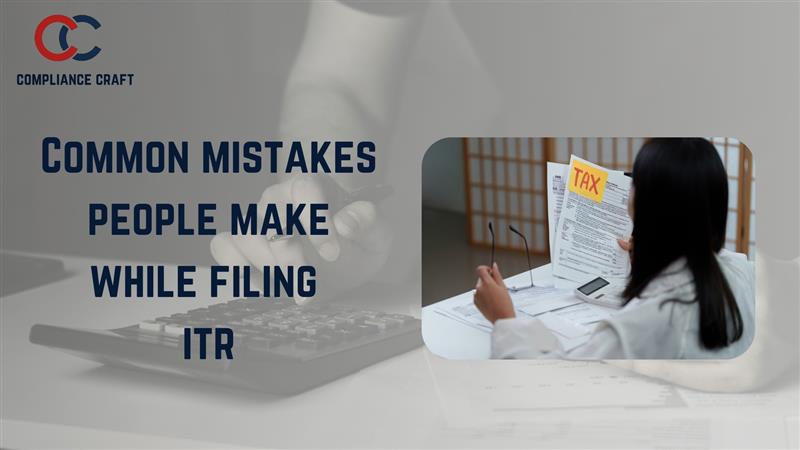
Filing Income Tax Returns (ITR) can be confusing, and many taxpayers make avoidable mistakes. Common errors include selecting the wrong ITR form, not reporting all sources of income such as interest or freelance earnings, and mismatching income details with Form 26AS or AIS. Claiming incorrect deductions or exemptions, especially under Sections 80C and 80D, is another frequent mistake. Many people also forget to verify their ITR after filing, which makes the return invalid. Missing the due date can lead to penalties and interest. Careful review and timely filing help ensure error-free compliance.
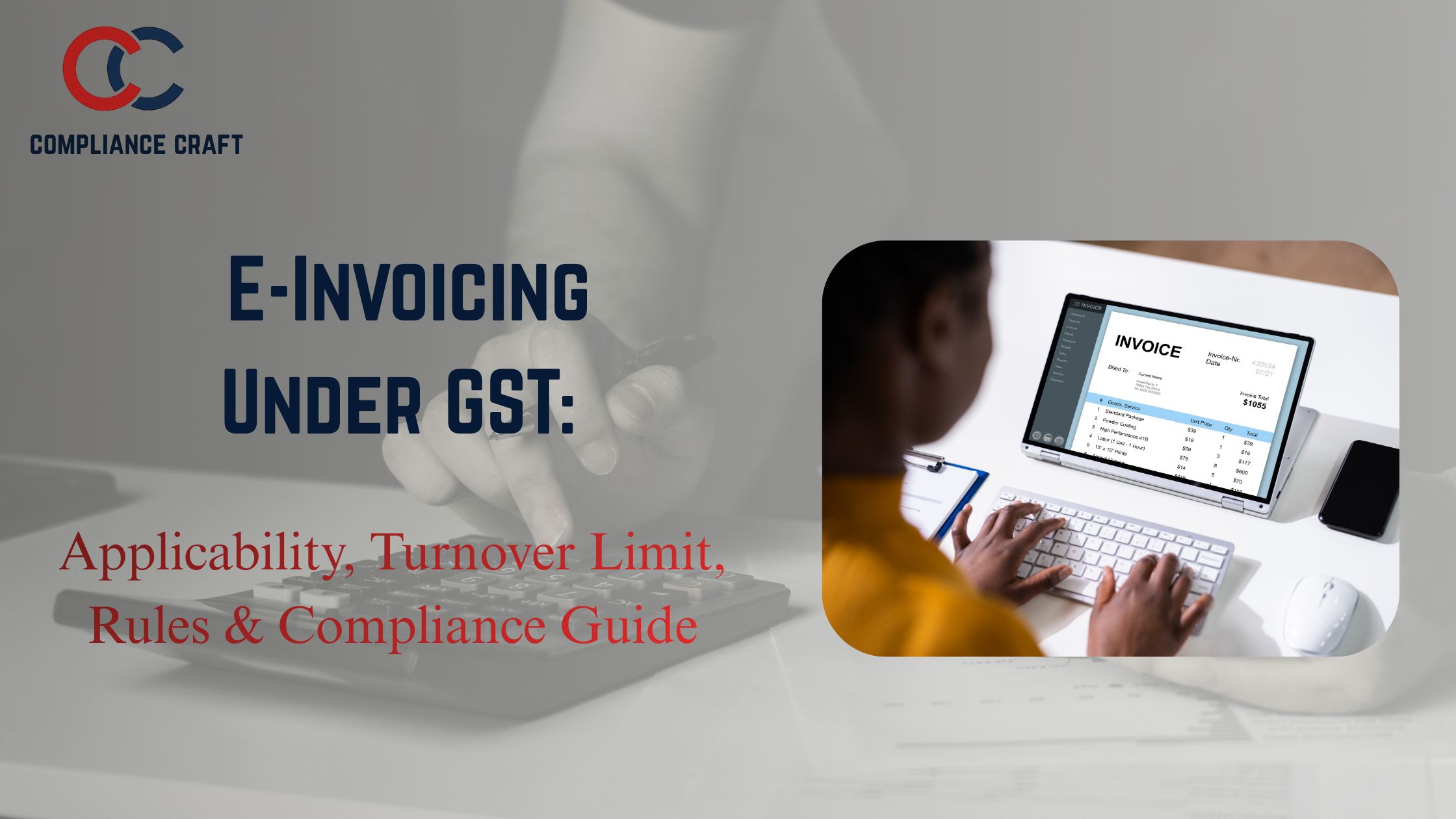
E-Invoicing Under GST: Applicability, Turnover Limit, Rules & Compliance Guide (2025)
January 12, 2026
By Pavan Joshi
E-Invoicing under GST is a system where B2B invoices are electronically authenticated by the Invoice Registration Portal (IRP) before being issued to customers. As of 2025, it is applicable to GST-registered businesses with an annual turnover of ₹5 crore or more (subject to government updates). Under this system, invoices must follow a prescribed format and include mandatory details such as GSTIN, invoice number, and HSN codes. Once validated, the IRP generates an Invoice Reference Number (IRN) and QR code. E-invoicing helps reduce tax evasion, ensures real-time reporting, and simplifies GST return filing and e-way bill generation.
How to Claim Input Tax Credit (ITC): Common Errors and Practical Solutions
December 17, 2025
By Pavan Joshi
Input Tax Credit (ITC) can be claimed by registered taxpayers by ensuring valid tax invoices, actual receipt of goods or services, and timely filing of GSTR-1 and GSTR-3B. Common errors include mismatch between GSTR-1 and GSTR-2B, claiming ITC on blocked credits, incorrect GSTIN details, and delayed return filing. Practical solutions involve regular reconciliation of purchase data with GSTR-2B, verifying supplier compliance, correcting invoice details promptly, and maintaining proper documentation. Consistent monthly checks and timely corrections help avoid ITC denial, notices, and interest or penalty liabilities under GST law.

Small businesses often make common GST filing mistakes that can lead to notices, penalties, or compliance issues. Key mistakes include incorrect or mismatched invoice details, missing ITC claims, or claiming ineligible ITC without proper documentation. Many businesses also forget to file NIL returns, delay monthly or quarterly filings, or use wrong HSN/SAC codes. Not reconciling GSTR-2B with purchase records and failing to maintain accurate books further cause discrepancies. Businesses should regularly update records, verify invoices, reconcile data, and file returns on time to ensure smooth GST compliance and avoid unnecessary financial or legal complications.
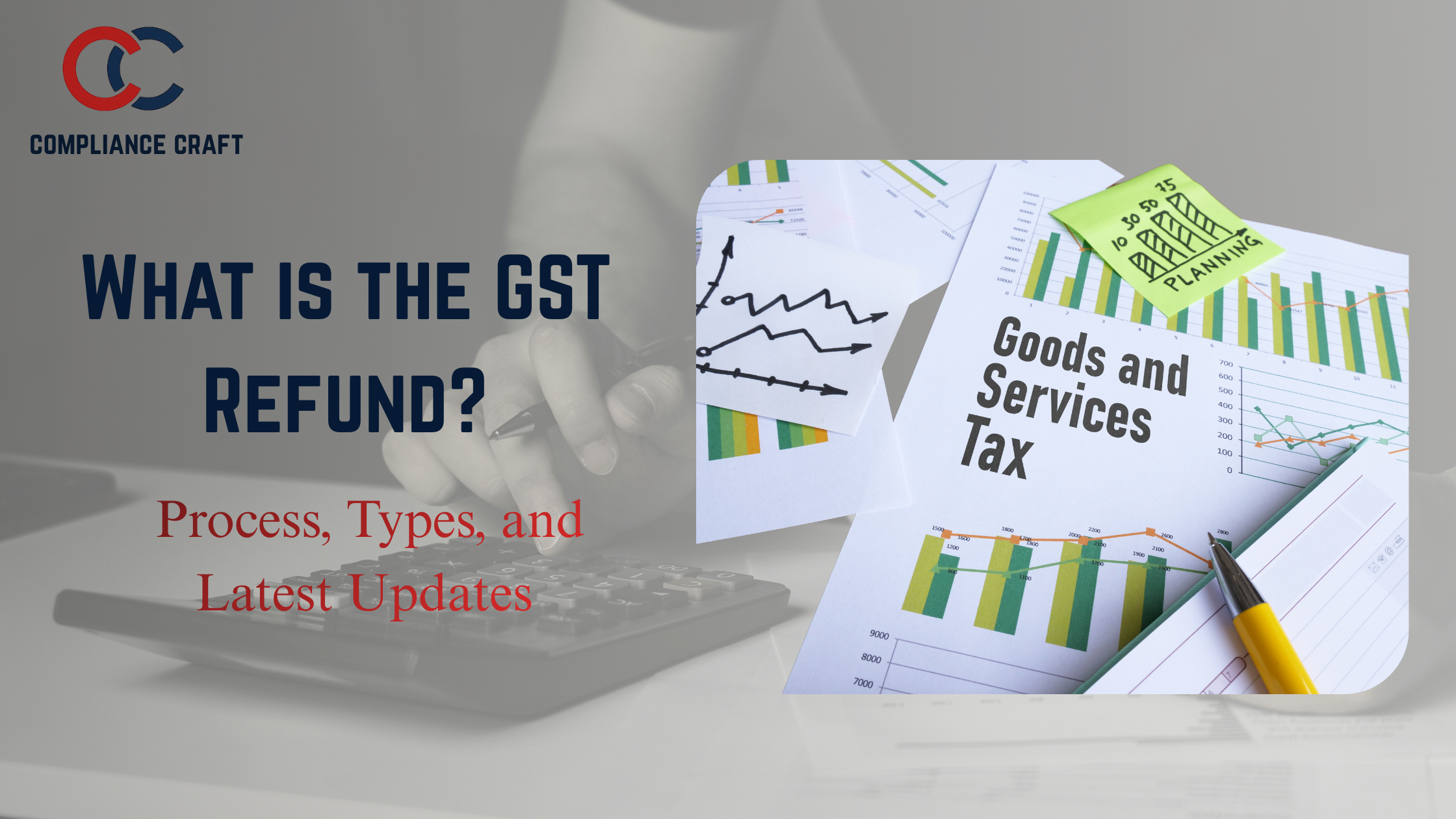
A GST refund is the process of reclaiming excess tax paid under India’s Goods and Services Tax (GST) system. Businesses can apply for refunds in cases like exports, inverted duty structures, supplies to SEZ units, excess tax payment, or balance in the electronic cash ledger. Filing refunds ensures smooth cash flow and compliance. Taxpayers must file Form GST RFD-01 online within two years from the relevant date. In 2025, GST introduced an invoice-based refund system for better transparency and accuracy, requiring all due returns to be filed before submitting the refund claim.
A Capital Asset refers to any significant property owned by an individual or business for investment or personal use, such as land, buildings, stocks, bonds, or machinery. These assets are not meant for regular trading but for generating long-term value. Capital assets are categorized into two types: short-term (held for less than 36 months) and long-term (held for more than 36 months). When these assets are sold, the profit earned is called a capital gain, which is taxable under the Income Tax Act. The tax rate depends on whether the gain is short-term or long-term, with specific exemptions available.
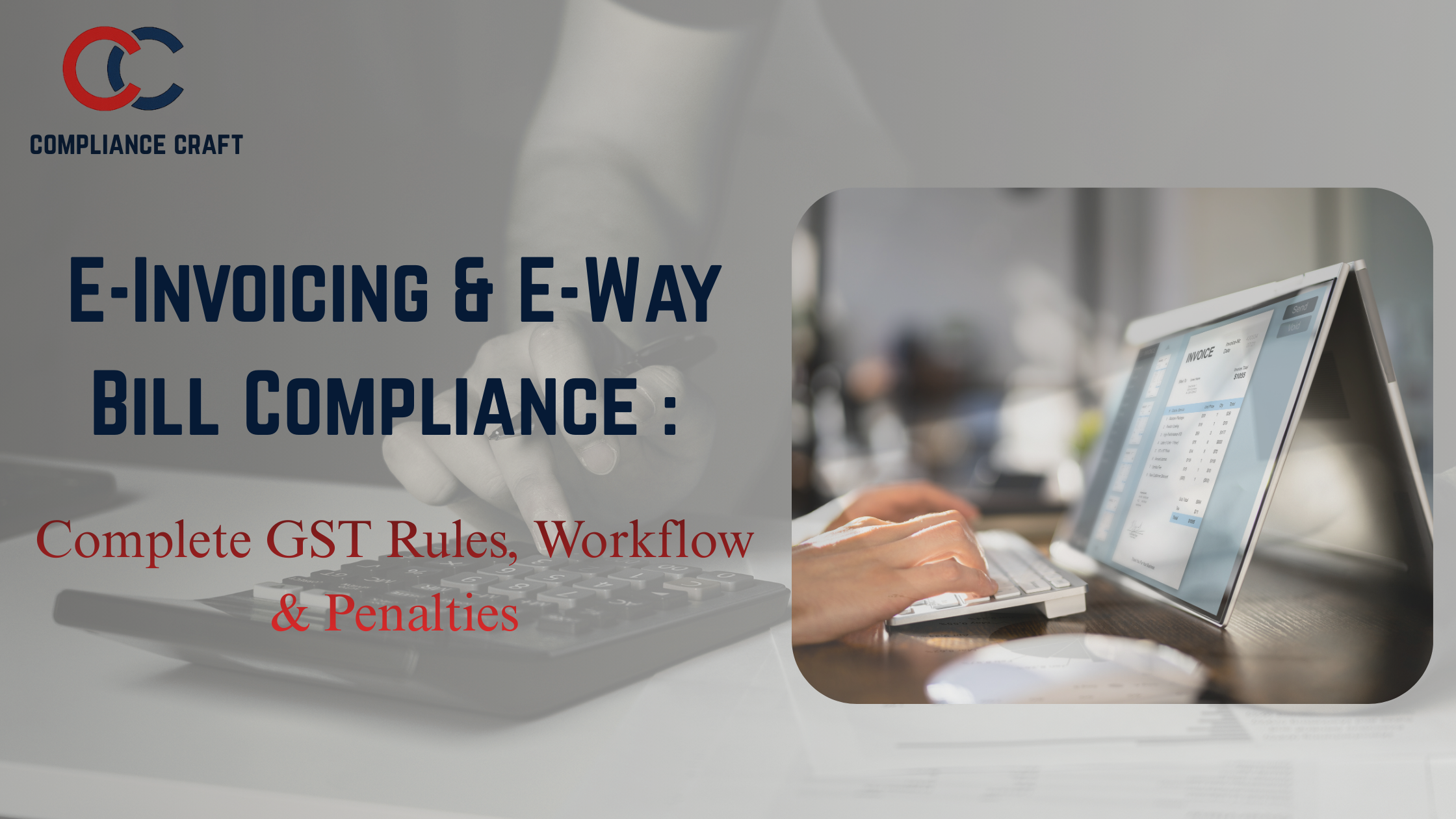
E-Invoicing & E-Way Bill Compliance : Complete GST Rules, Workflow & Penalties
September 25, 2025
By Pavan Joshi
E-Invoicing and E-Way Bill under GST ensure compliance, transparency, and traceability in business transactions and goods movement. E-invoicing is mandatory for businesses with turnover above ₹5 crore, requiring invoices to be authenticated through the Invoice Registration Portal (IRP), which generates an IRN and QR code. Exemptions include SEZ units, banks, NBFCs, and transport services. E-invoices must be cancelled within 24 hours, else rectified via credit/debit notes. Similarly, E-Way Bills are required for transporting goods valued over ₹50,000, capturing consignment and transport details. Non-compliance leads to penalties, ITC denial, and detention of goods, making timely compliance critical.
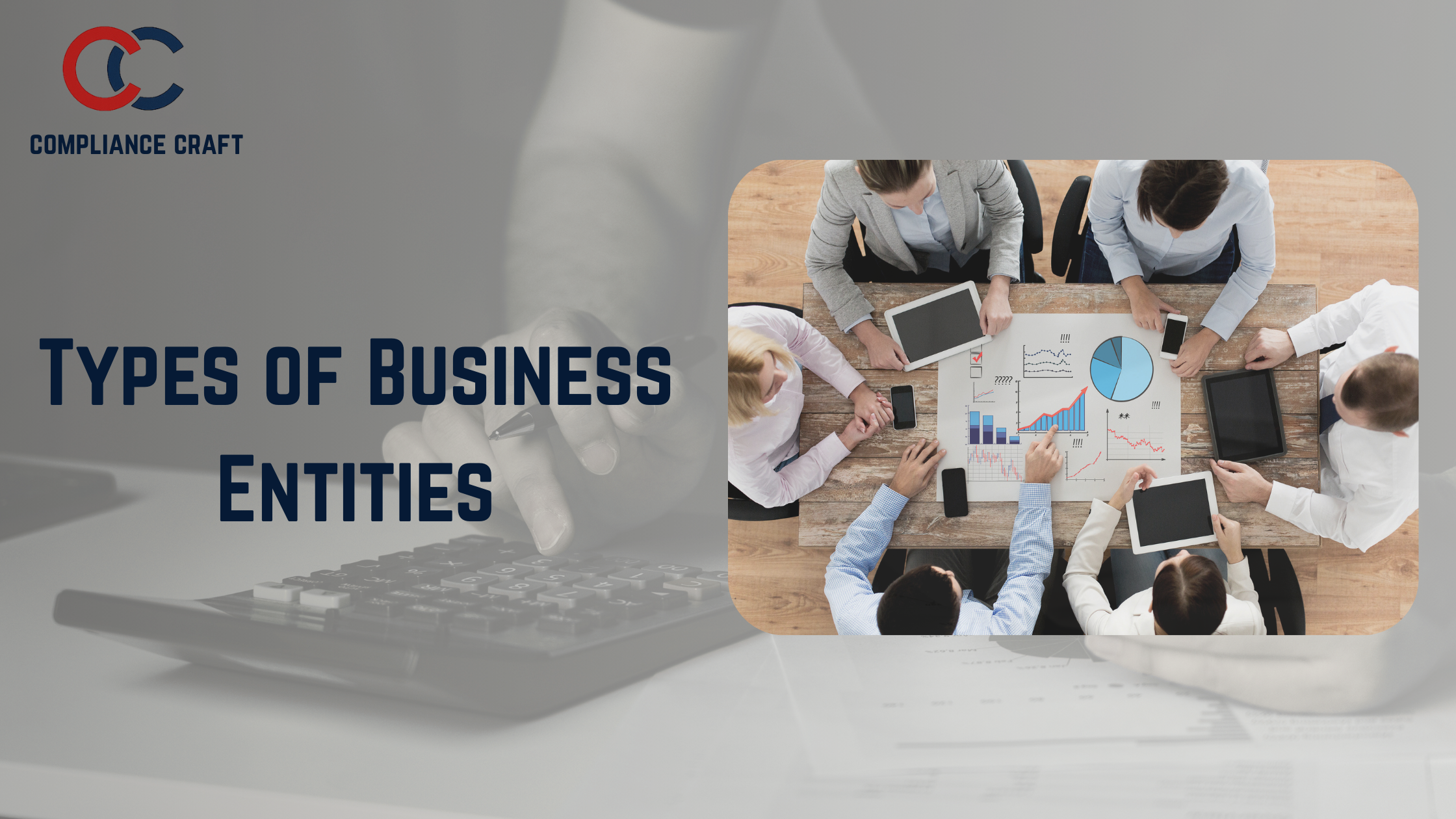
Entities can be broadly categorized into different types based on their nature and context. In business, entities include sole proprietorships, partnerships, limited liability companies (LLCs), corporations, and cooperatives, each with unique legal and tax implications. In databases, entities represent objects or concepts that data is stored about, such as customers, products, or transactions. In linguistics and natural language processing (NLP), entities are classified as named entities like people, organizations, locations, dates, and numerical values. From a legal perspective, entities can be natural persons (individuals) or artificial/juridical persons (companies or institutions). Each type serves specific purposes within its domain.
Subscribe our newsletter to recieve